Hypersonic Testing
Evaluate materials and vehicle components in hypersonic flight environments using launch systems proven at velocities up to Mach 9 for demanding aerospace test objectives.

Validate thermal protection materials in true high-velocity flight conditions with Green Launch. Our testing capabilities support aerospace and research teams seeking real-world data on heat, pressure, and aerodynamic loads using proven light-gas propulsion and high-speed launch platforms.
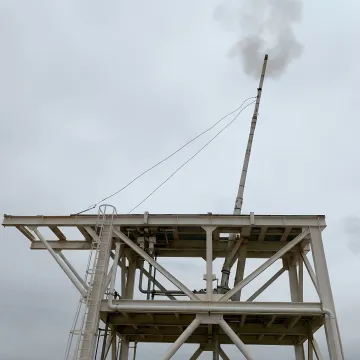
High-speed flight testing solutions for thermal protection materials, payloads, and aerospace research validation.
Evaluate materials and vehicle components in hypersonic flight environments using launch systems proven at velocities up to Mach 9 for demanding aerospace test objectives.
Conduct controlled horizontal launch tests to gather performance data across varying pressures, vehicle weights, and velocities for material and system validation.
Support sub-orbital payload missions and flight experiments that expose test articles to realistic ascent conditions for thermal and structural analysis.
Enable atmospheric and upper-atmosphere research missions with specialized vehicles designed for high-altitude access and protected onboard instrumentation.
Leverage advanced light-gas launch technology developed for rapid, lower-cost payload delivery to orbit and related aerospace test applications.
Generate real-flight performance data on thermal loads, launch dynamics, and material behavior to inform design decisions and qualification programs.
Green Launch helps aerospace teams move beyond lab assumptions by testing heat shield materials in actual flight environments. Using proprietary light-gas propulsion and proven high-velocity launch platforms, we support programs that need meaningful data on thermal exposure, pressure loads, and material survivability. This approach is well suited for defense, research, and advanced space access applications where realistic performance evidence matters.
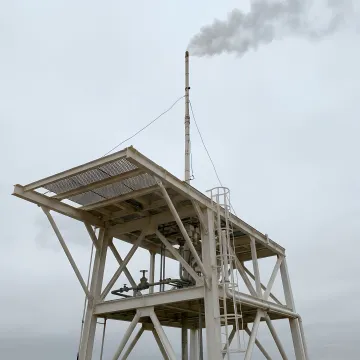
Green Launch offers a distinctive platform for advanced aerospace testing and validation.
Testing capabilities have reached Mach 9, supporting demanding thermal and aerodynamic validation programs.
Led by experts in physics, propulsion, and aerospace systems with deep technical experience.
Hydrogen and oxygen propulsion reduces emissions while supporting advanced launch and test objectives.
Designed as a lower-cost alternative to traditional rocket-based testing and access methods.
Experienced leaders advancing sustainable aerospace testing.
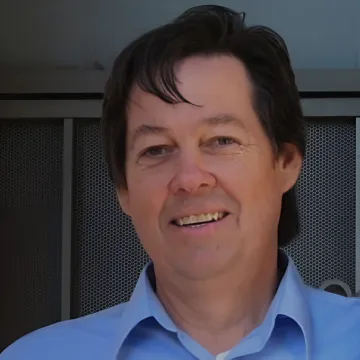
Chief Technical Officer
Dr. John W. Hunter brings deep expertise in high-velocity propulsion systems and advanced aerospace research to Green Launch. A physicist by training, he is known for leading the SHARP project at Lawrence Livermore National Laboratory, giving him rare hands-on experience with extreme-speed launch concepts and experimental propulsion platforms. At Green Launch, he helps guide the technical direction behind hypersonic testing, scramjet-related applications, and light-gas launch development. His background supports the company's focus on turning ambitious launch theory into practical, testable systems for defense, aerospace, and scientific customers. Dr. Hunter's leadership is central to Green Launch's ability to pursue Mach 9-class performance with a disciplined, data-driven engineering approach.

Strategic Outreach
Eric Robinson supports Green Launch's strategic outreach with a background in systems science and entrepreneurship. His experience in fluid delivery systems for aerospace applications aligns closely with the company's light-gas propulsion model and broader mission development efforts. He helps connect Green Launch's technical capabilities with the needs of defense organizations, research institutions, and commercial aerospace stakeholders seeking practical alternatives to conventional launch methods. By translating complex engineering value into mission-focused opportunities, he plays an important role in partnership development and customer engagement. His work helps ensure Green Launch's hypersonic and sub-orbital services are positioned clearly for organizations that need speed, efficiency, and credible technical collaboration.
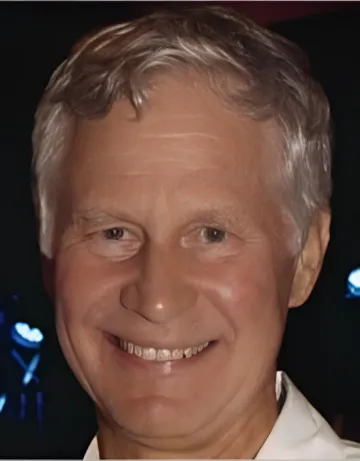
Chairman of the Board
Don Whitney brings operational perspective to Green Launch through his experience as an Air Force pilot and environmental consultant. His background supports the company's planning around mission execution, safety considerations, and practical deployment strategy for advanced launch systems. At Green Launch, he contributes to board-level leadership and helps shape how the company balances ambitious aerospace innovation with real-world operational discipline. His aviation and environmental experience also complements Green Launch's emphasis on cleaner propulsion and more sustainable launch alternatives. For customers evaluating hypersonic testing or sub-orbital delivery partners, his presence reinforces the company's ability to think beyond engineering alone and address broader mission planning requirements.
Artemis-era heat shields are generally associated with advanced ablative thermal protection systems designed to withstand extreme reentry heating. For Orion, NASA has used Avcoat, an epoxy novolac resin with embedded fibers in a honeycomb structure. Material selection depends on mission profile, peak heating, structural requirements, and manufacturability. Real-flight testing helps validate how candidate materials behave under actual aerodynamic and thermal loads.
Speak with our team about mission goals and validation needs.

Years of focused propulsion development.
Demonstrated extreme high-velocity test capability.
Eco-conscious hydrogen oxygen launch approach.
Share your material, mission profile, and data goals, and our team will help outline the best next steps for flight-based testing.
For immediate assistance, feel free to give us a direct call at 619-933-6678. You can also send us a quick email at eric.robinson@greenlaunch.space.
For immediate assistance, feel free to give us a direct call at 619-933-6678. You can also send us a quick email at eric.robinson@greenlaunch.space.