What is a high altitude test?
A high altitude test evaluates how a payload performs when exposed to upper-atmosphere conditions such as reduced pressure, temperature variation, acceleration, and flight stress. For pharmaceutical payloads, this can help validate packaging, instrumentation, structural integrity, and data collection systems before more advanced missions. It is commonly used for research, qualification, and mission planning.
What types of pharmaceutical payloads can be tested?
High-altitude pharmaceutical payload testing can support a range of research payloads, including experimental containers, monitoring instruments, formulation studies, biologic support hardware, and environmental exposure packages. The key requirement is that the payload can be integrated within the mission profile and structural constraints. Green Launch works with customers to review payload size, weight, mounting, and test objectives before flight.
What data can be collected during a pharmaceutical payload test?
Typical data may include acceleration loads, flight timing, altitude-related exposure, structural response, and payload instrumentation readings captured during the mission. This information helps research teams understand how the payload behaved under launch and high-altitude conditions. The exact data set depends on the payload configuration, onboard sensors, and the mission objectives established during planning.
Why use high-altitude testing for pharmaceutical research?
High-altitude testing gives pharmaceutical researchers a practical way to study how payload systems respond to demanding environmental and launch conditions without committing to a full orbital mission. It can support early-stage validation, packaging assessment, and instrument verification. This approach is especially useful when teams need real flight exposure data to refine designs and reduce technical uncertainty.
How does Green Launch perform these tests?
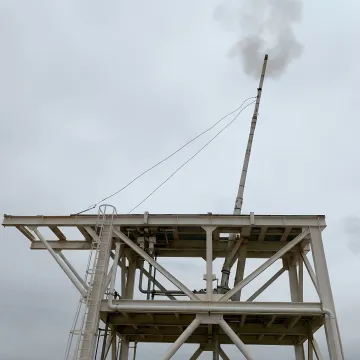
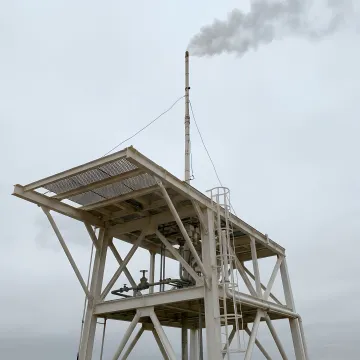
Green Launch uses proprietary light-gas propulsion technology developed as a lower-cost alternative to traditional rocket launches. The company has completed multiple horizontal test firings and vertical launch demonstrations, building a foundation for specialized payload missions. For pharmaceutical testing, this platform can be adapted to support payload integration, launch execution, and post-flight performance review based on mission goals.
Can Green Launch support sub-orbital pharmaceutical payload missions?
Yes. Green Launch's capabilities include sub-orbital payload delivery, which makes the platform relevant for pharmaceutical payload missions requiring high-altitude exposure and flight validation. Sub-orbital testing can help organizations assess payload survivability, instrumentation performance, and environmental response before pursuing more complex mission profiles. It is a useful step for research teams seeking practical, staged development.
How long does it take to plan a payload test mission?
Planning timelines depend on payload readiness, integration complexity, instrumentation needs, and the desired mission profile. A typical project includes requirement review, payload fit assessment, launch planning, and data coordination before execution. Organizations that already have a defined payload concept and test objectives can usually move more efficiently through the planning process than teams still refining hardware.
Is this service suitable for research organizations and commercial developers?
Yes. This service is well suited for scientific research organizations, aerospace programs, and commercial developers that need high-altitude access for payload validation. It is particularly valuable when a team needs real flight conditions, measurable performance data, and a more economical testing path. Green Launch's platform is designed to support specialized missions where conventional launch options may be too costly or inflexible.